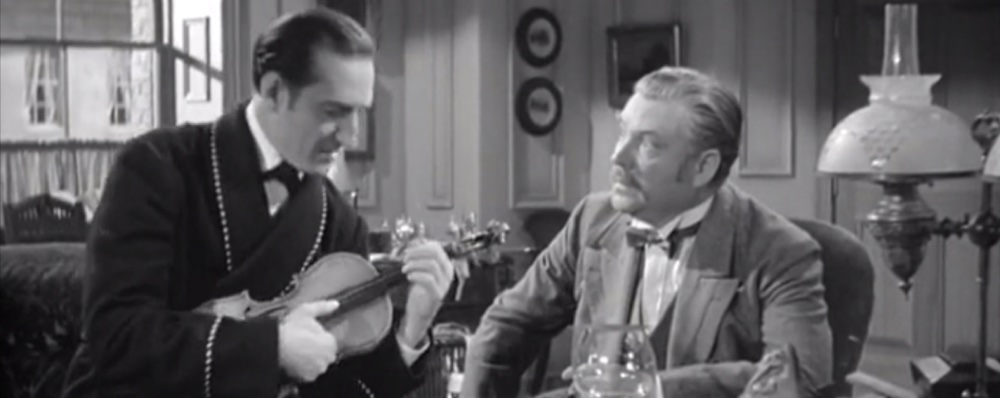
Sherlock Holmes's Violin: A Stradivarius, Musical Deception, and the Soul of a Detective
The image of Sherlock Holmes, pipe in hand, lost in the melodies of his violin, is as iconic as his deerstalker hat and magnifying glass. Far from being a mere prop, the instrument is deeply intertwined with his complex character, serving as an emotional outlet, a tool for contemplation, and even an instrument of strategic deception. More than just a hobby, Holmes's musical inclinations reveal profound layers of his personality, connecting him to legendary virtuosos and the grandeur of opera. Let's delve into the fascinating world of the
Sherlock Holmes Violin, exploring its storied acquisition, his distinctive playing style, and the musical cunning that made him a true master of deduction and dramatic performance.
The Stradivarius and the Maestro's Meticulousness
One of the most remarkable details about Sherlock Holmes's musical life is his choice of instrument: a Stradivarius. Antonio Stradivari’s violins are legendary, renowned for their unparalleled craftsmanship, rich tonal quality, and extraordinary rarity. These instruments are not just violins; they are works of art, commanding astronomical prices at auction houses today. Yet, Holmes, with his characteristic disregard for convention and an uncanny ability to spot true value, acquired his prize possession for a mere 45 shillings from a Tottenham Court Road pawnbroker. This was an astonishing bargain, considering the instrument was worth at least 500 guineas at the time – a sum far exceeding what most common folks would earn in a year.
This acquisition speaks volumes about Holmes. It wasn't the price tag or the societal prestige that attracted him, but the inherent quality and potential of the instrument itself. His discerning eye, which could uncover the most subtle clues in a crime scene, also allowed him to recognize a genuine Stradivarius hidden amidst dusty pawn shop clutter. It underscores his profound appreciation for mastery and precision, whether in crafting a violin, solving a baffling case, or executing a difficult musical piece. Owning such a magnificent instrument, procured through his unique brand of genius, perfectly encapsulates the essence of Sherlock Holmes. For a deeper dive into the specifics of his famed instrument, you might be interested in
Discover Sherlock Holmes's Violin: Stradivarius, Skill & Secrets.
A Symphony of Skill and Strategic Deception
Dr. Watson, Holmes's faithful chronicler, often described his friend's violin playing as "very remarkable, but as eccentric as all his other accomplishments." This observation perfectly captures Holmes's approach to music. He wasn't a performer in the conventional sense, seeking applause or public acclaim. Instead, the violin served as a private confidant, a conduit for his restless mind, and an emotional outlet. Watson noted that Holmes could play "difficult pieces," including some of Mendelssohn’s Lieder – lyrical and often melancholic compositions that offer a glimpse into a more introspective side of the great detective, a stark contrast to his often detached, logical exterior.
However, Holmes's musicality extended beyond mere personal enjoyment. In a truly brilliant display of his ingenuity, he once wielded his violin for strategic deception. In "The Adventure of the Mazarin Stone," Holmes brilliantly fooled his adversaries by pretending to play the enchanting *Barcarolle* from Offenbach's opera *The Tales of Hoffman*. While his enemies believed they were witnessing a private concert, Holmes was, in fact, playing a carefully orchestrated gramophone recording. This act highlights not only his theatrical flair but also his profound understanding of human psychology. The *Barcarolle*, with its dreamy, lilting rhythm, would have been the perfect choice to lull his targets into a false sense of security, allowing him to execute his plans undetected. This clever ruse is a testament to Holmes's ability to integrate all aspects of his knowledge – including music – into his intricate detective work.
Paganini's Shadow and Opera's Allure
Sherlock Holmes's musical tastes were sophisticated and informed by a deep appreciation for genius. He harbored a particular admiration for Niccolò Paganini, the legendary Italian virtuoso whose unparalleled skill on the violin was so extraordinary it led to rumors of a pact with the devil. Watson recalls Holmes regaling him with "anecdote after anecdote" about Paganini over a bottle of claret, demonstrating not just a casual interest but a profound study of the master. Holmes's fascination with Paganini makes perfect sense; both men epitomized the pinnacle of their respective crafts, pushing boundaries and achieving seemingly impossible feats through intense dedication and a singular focus.
This admiration for exceptional talent extended to contemporary performers as well. Holmes attended a concert by the Hallé Orchestra, featuring the Austrian violinist Wilhelmine "Wilma" Norman-Neruda, who was affectionately known as 'the female Paganini'. Holmes found her performance "magnificent," a rare display of unequivocal enthusiasm from the usually stoic detective. This encounter not only underscores his respect for virtuosity but also places him within the vibrant musical scene of Victorian London. Beyond violin solos, Holmes was also a fervent lover of opera, appreciating its complex narratives, dramatic intensity, and the powerful interplay of music and human emotion – perhaps seeing parallels to the intricate dramas he so frequently unraveled in his cases.
Striking the Right Chords: Playing the Sherlock Holmes Theme
For modern enthusiasts, the essence of the
Sherlock Holmes Violin theme often evokes the haunting, atmospheric melodies from the BBC series. This iconic theme, typically arranged in the key of A Minor, perfectly captures the mystery, introspection, and occasional melancholic undertones of Holmes's world. A Minor, a key often associated with contemplation and a touch of melancholy, is an ideal choice to represent the nuanced emotional landscape of the brilliant detective.
For aspiring violinists eager to emulate Holmes's spirit, mastering this theme can be a rewarding challenge. Starting with the fundamentals is crucial:
- Practice A Minor Scale and Arpeggio: Before tackling the specific melody, ensure you have a firm grasp of the A Minor scale and its corresponding arpeggio. This builds finger strength, intonation, and familiarity with the key's unique sound.
- Focus on Bowing: The Sherlock Holmes theme often features sustained notes and expressive phrases. Pay close attention to your bowing technique to achieve a smooth, resonant tone. Vary your bow speed and pressure to create dynamic contrasts.
- Emphasize Expression: Beyond hitting the right notes, aim to convey the mood of the piece. Think about Holmes's character – his thoughtfulness, his moments of intense focus, and his underlying humanity. Let these inform your interpretation.
- Slow and Steady Practice: Begin by practicing at a very slow tempo, focusing on accuracy in pitch and rhythm. Gradually increase your speed as confidence grows.
Embarking on this musical journey connects you not just to a piece of music, but to the very soul of Sherlock Holmes. If you're looking for detailed guidance on how to approach this, including valuable tips and resources, be sure to check out
Master the Sherlock Holmes Theme: A Minor Violin Practice Guide.
Ultimately, the Sherlock Holmes violin is far more than an instrument; it's a window into the mind of an extraordinary man. It represents his discerning taste, his hidden emotional depths, his intellectual prowess, and his theatrical flair. From its incredible acquisition story to its role in his most cunning deceptions, Holmes's violin remains an indispensable element in the rich tapestry of his enduring legend, echoing the complex melodies of a life lived on the edge of genius.